














If you’ve ever noticed stubborn white patches around your taps, cloudy stains on tiles, or a dull ring inside your toilet bowl, you’re dealing with limescale buildup. Hard water, which contains high levels of calcium and magnesium, leaves behind these mineral deposits that accumulate over time. They don’t just make your bathroom look unclean — they also reduce efficiency and can corrode surfaces.
That is when the cleaning of limescale is required. Whether it is your bathroom tiles, faucets, or toilet, it is worth knowing how to clean limescale effectively in order to save you money, time, and effort in the future. In this guide, we will cover all aspects of limescale removal, prevention, and maintenance through effective and safe methods.
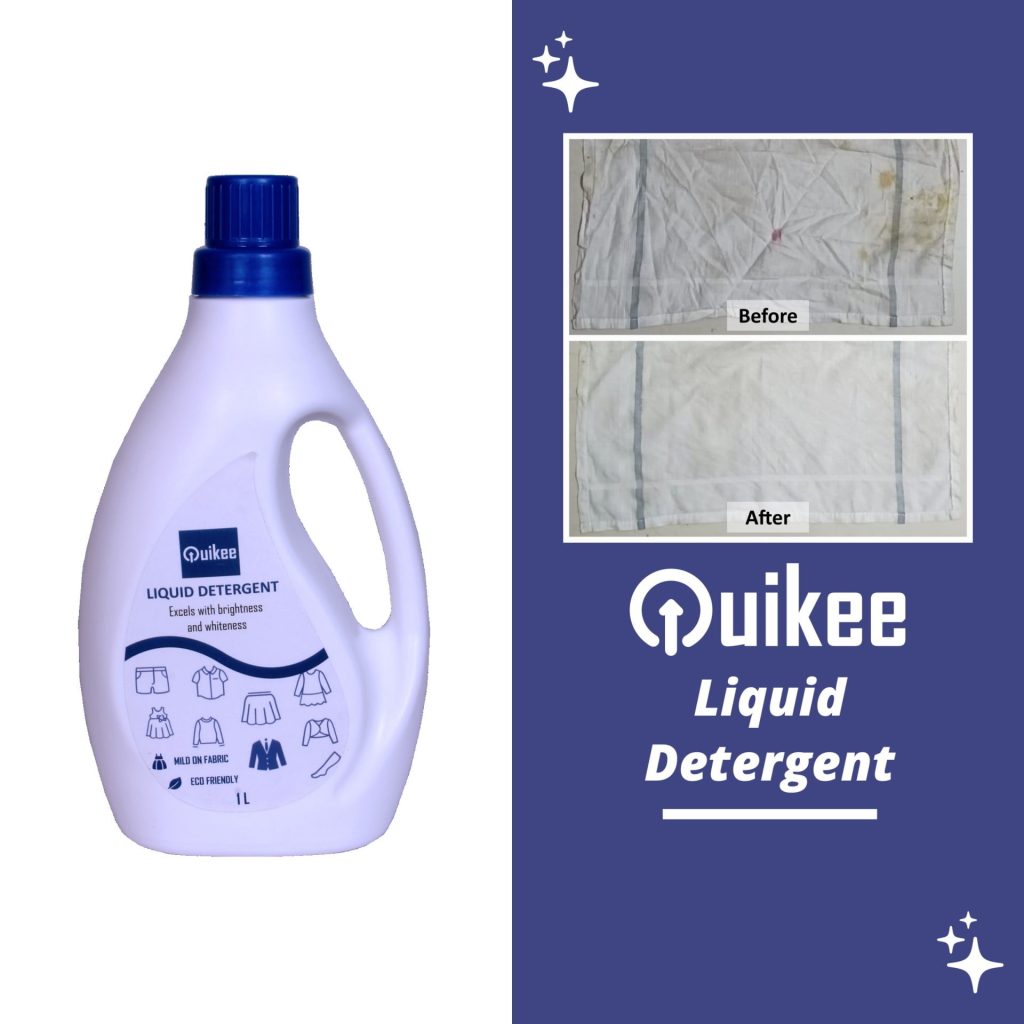
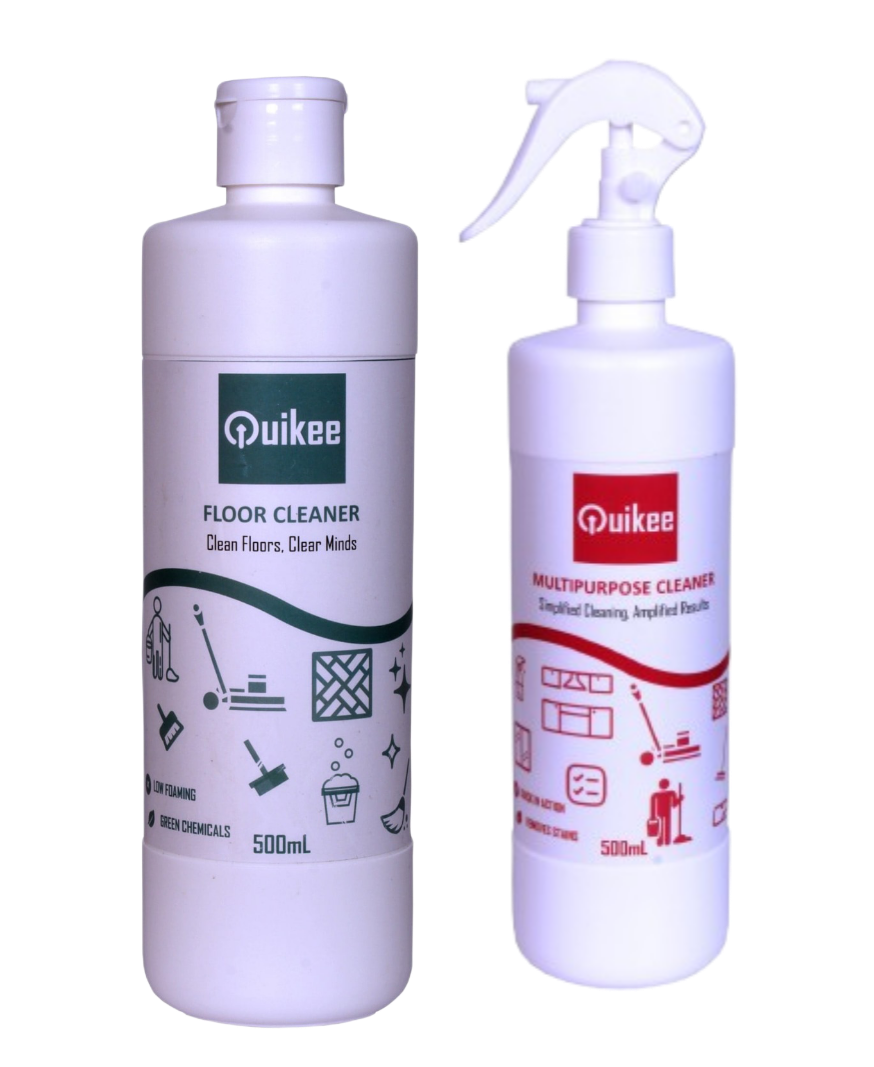
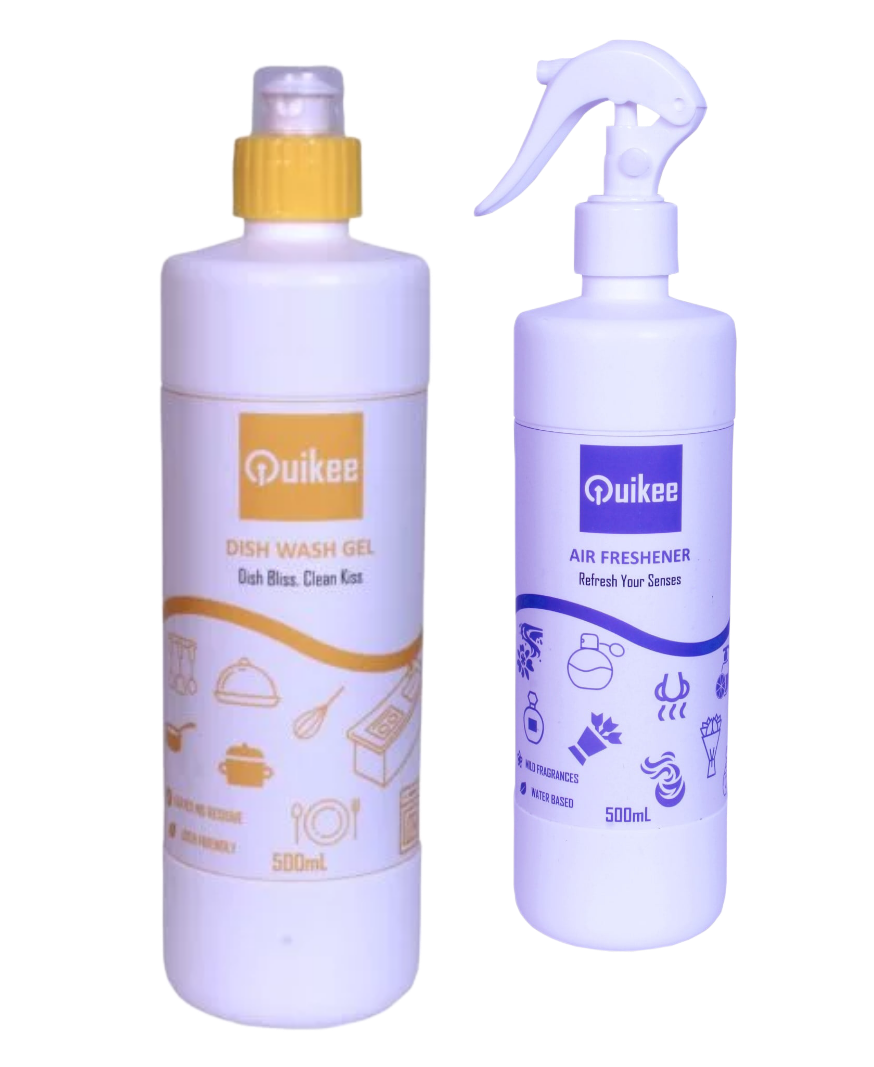
And yes — we will also show you why Quikee is a smart choice for a hygienic, clean bathroom.
What Is Limescale and How Is It Formed?
Limescale is a white residue left behind when hard water evaporates. The minerals in the water — mostly calcium carbonate and magnesium — crystallize and stick to surfaces like toilets, taps, tiles, and showerheads.
If not cleaned on time, these deposits form a thick, rough layer that harbors dirt and bacteria, giving your bathroom an unhygienic appearance. It can lead to:
– Filthy, rough toilet surfaces
– Clogged faucet aerators and showerheads
– Low pressure
– Dull, speckled tiles and walls
Limescale is a persistent problem in hard-water regions. But the good news is — with regular cleaning and the right product, limescale removal can be easy and quick.
<h2>Limescale Removal in Toilets</h2>
Toilets see the most conspicuous limescale build-up. You might see brown or yellow rings at the waterline, flush rim, or even within the bowl. They are mineral deposits congealing with each flush.
• Step-by-Step Toilet Limescale Removal:
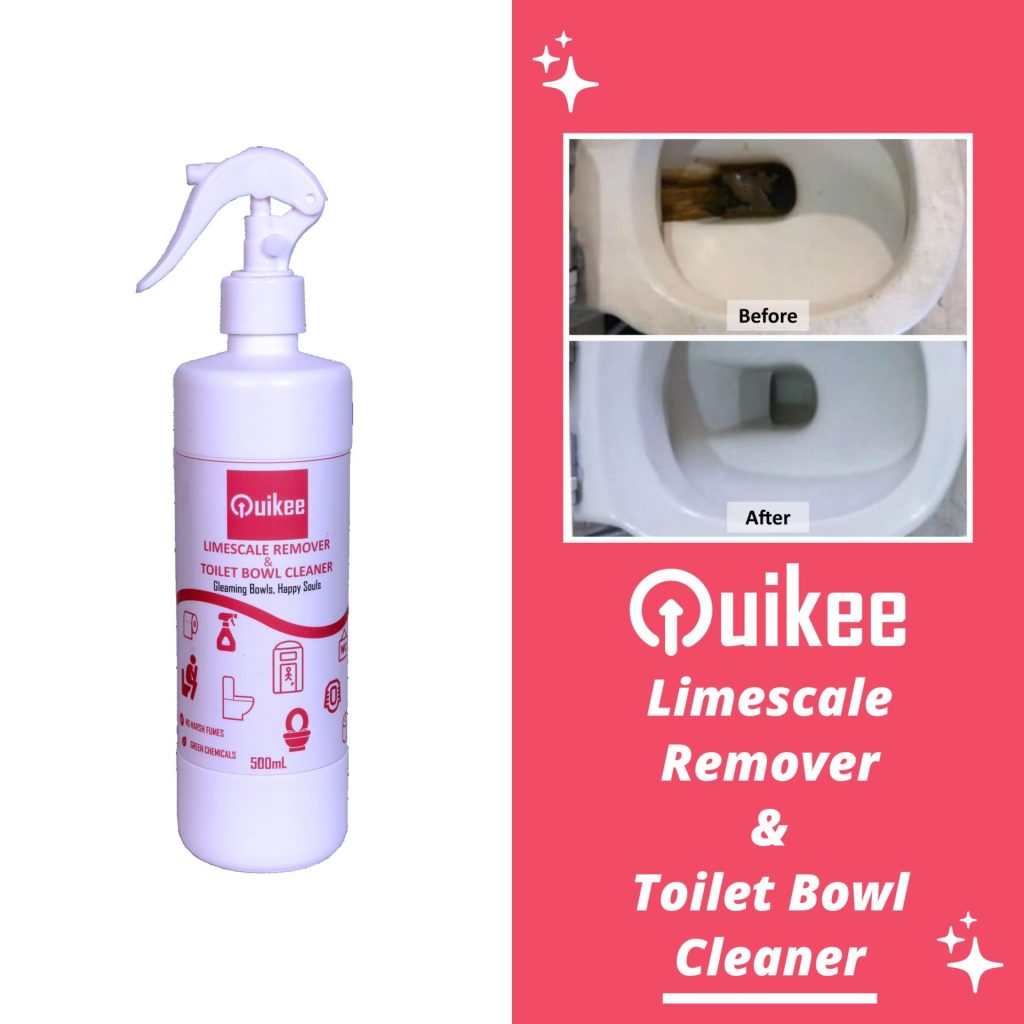
• Pour a specialist cleaner like Quikee Limescale Remover & Toilet Bowl Cleaner.
• Let it sit for a minimum of 10 minutes to soak into stains.
• Clean throughly with a toilet brush around the rim and under the drain.
• Flush clean to eliminate residue and reveal a sparkling bowl.
Limescale Removal from Faucets and Showerheads
Your showerheads and faucets can lose their shine because mineral buildup clogs their small openings. Not only does this not look pleasant, but it also decreases water pressure.
• How to Remove Limescale from Faucets:
• Soak in vinegar solution 20 minutes for light cases.
• Use Quikee’s Limescale Remover directly for quick results.
• Rinse and dry with a microfiber cloth to prevent water spots.
Removal of Limescale from Tiles and Bathroom Walls
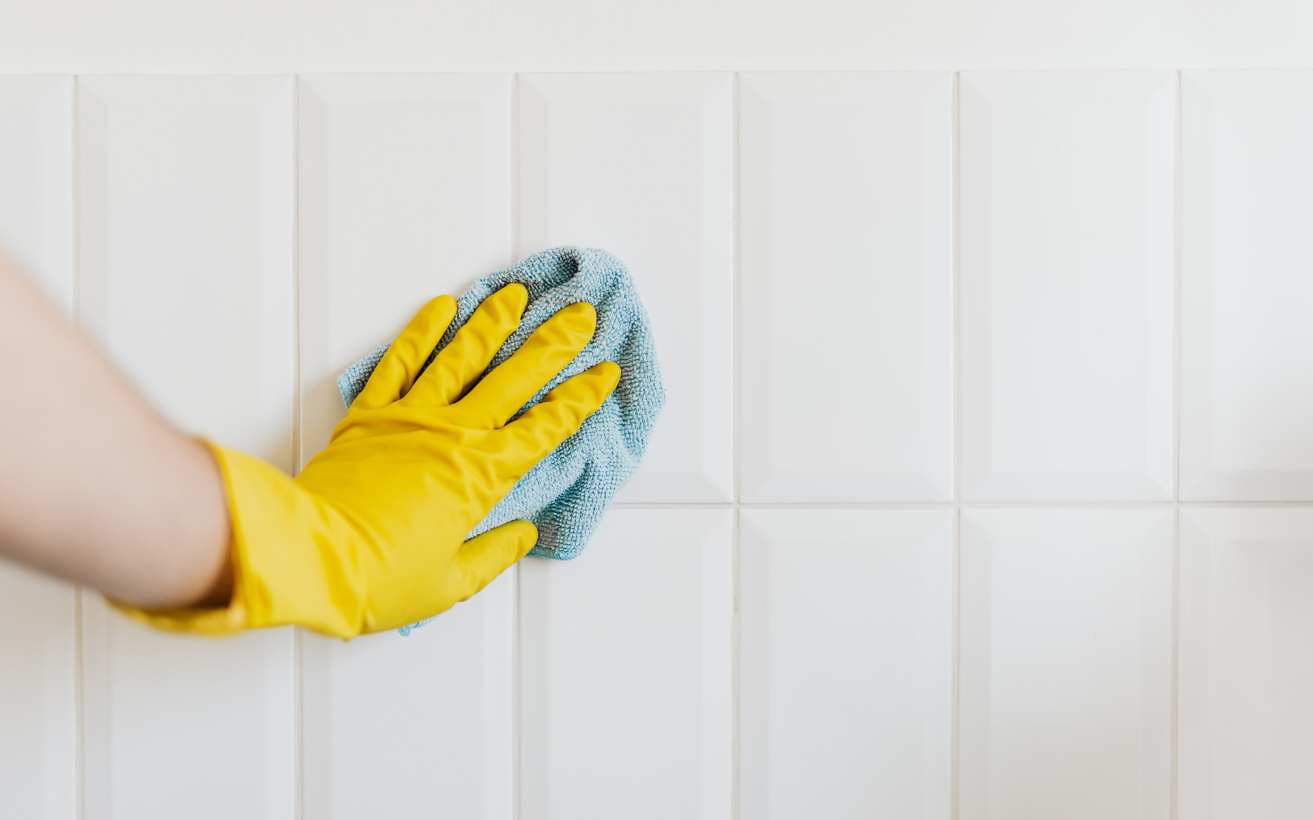
Bathroom tiles and walls are also prone to limescale — especially in corners and where there is direct splashing of water. Soap scum and hard water stains make them dull and rough.
<h3> Steps for Tile Limescale Removal:</h3>
• Spray Quikee Limescale Remover onto affected areas and grout lines evenly.
• Let it stand 5–7 minutes to break up mineral deposits.
• Scrub lightly with a sponge or brush and rinse.
• Buff with a dry, clean cloth for a shiny, polished appearance.
<h4>Why Quikee Limescale Remover Stands Out</h4>
With so many cleaners available, Quikee is a premium, performance-driven product used by homeowners and professionals.
• Primary Features:
• Two-stage formula removes stains and disinfects.
• Multi-surface use with toilets, tile, and metal fixtures.
•Nature-friendly formula that’s tough on stains yet kind to surfaces.
•Beautiful fragrance leaves your bathroom smelling clean and fresh.
•Fast action formula saves time and effort.
Tips to Prevent Start of Future Limescale Buildup
•Dry surfaces after each use in order to prevent water spots.
•Use water softeners to reduce the presence of minerals in hard water regions.
•Use weekly cleaning with Quikee Limescale Remover.
•Descale appliances like kettles and washing machines every month.
• Give it good ventilation to control humidity and slow limescale formation.
The Chemistry of Limescale Efficiency
Limescale removal is not about simply removing stains — it’s about chemistry. Acid-based cleaners like Quikee break calcium carbonate (the key ingredient of limescale) down into water-soluble salts that flow away with water.
In contrast to abrasive chemicals, Quikee’s well-balanced formula gives strong cleaning without injuring the surface integrity of metals, ceramics, and tiles. This scientific precision gives thorough cleaning without rusting, and hence is safe for daily use.
Conclusion
Whether it is your taps, toilet, or tiles; limescale removal does not have to be made tough. With smart cleaning methods and the appropriate product, you can effortlessly maintain your bathroom squeaky clean and germ-free.
Quikee’s Limescale Remover & Toilet Bowl Cleaner is a one-stop solution — cleans, disinfects, and deodorizes your bathroom surfaces in minutes. It’s fast, safe, and eco-friendly, and hence a must-have in every home today.
Make limescale removal a regular part of your cleaning practice and let Quikee keep your bathroom sparkling.
Frequently Asked Questions (FAQ)
1. What is the best limescale remover?
Quikee Limescale Remover & Toilet Bowl Cleaner is the strongest toilet, faucet, and tile limescale remover.
2. Can bathroom surfaces be damaged by limescale?
Yes. If not routinely descaled, deposits etch enamel, stain metal finishes, and dull tiles.
3. Is vinegar effective for removing limescale?
Vinegar will suffice for minor marks, but Quikee achieves faster, safer, and longer-lasting results for heavy deposits.
4. How frequently should I remove limescale?
Perform limescale removal on a weekly basis, especially where there is hard water, to maintain hygiene and shine.
5. Does limescale removal also disinfect surfaces?
Yes. Quikee’s solution dislodges limescale, killing bacteria simultaneously, leaving a hygienic, clean finish.
